Accelerating Global Climate Action Through Grassroots Innovation
CERELI bridges clean energy infrastructure deployment with indigenous multilingual climate education to empower interior communities across developing nations.
Transforming Energy Poverty into Sustainable Prosperity
"CERELI believes in a holistic approach to sustainability. We implement clean energy projects while simultaneously educating communities, especially in rural areas, about climate change to foster long-term change."
CERELI is a non-profit non-governmental organization established to confront the twin crises of energy poverty and climate illiteracy. In many developing regions, families are trapped relying on expensive, polluting petrol generators and toxic kerosene lamps, while lacking accessible scientific knowledge to adapt to volatile weather extremes.
Starting from the most underserved rural heartlands, CERELI deploys household-level clean solar kits and agricultural bio-digesters, while simultaneously translating cutting-edge climate science into indigenous African languages so communities become active custodians of their environment.
Energy Access as a Human Right
We eliminate dangerous open flames and costly generator fuel by delivering reliable, clean solar power directly to rural homes and interior school classrooms.
Democratizing Climate Knowledge
Complex IPCC reports mean nothing to rural farmers if they are only in English. Our Climate Linguists translate actionable environmental science into native languages like Yoruba, Hausa, Igbo, and Pidgin.
Institutional & ESG Partnerships
Connecting global corporate sustainability leaders and institutional funders with high-impact, transparent grassroots programs through our signature WCSC dialogues.
The CERELI Dual-Engine Strategy
Clean energy hardware without literacy leads to equipment abandonment. Climate literacy without clean energy leaves people powerless. CERELI runs both engines simultaneously.
Clean, Decentralized Renewable Solutions
We implement physical renewable energy infrastructure designed specifically for rural off-grid contexts, eliminating greenhouse gas emissions while spurring local economic micro-enterprises.
Household Solar Energy Kits
Deploying plug-and-play solar home systems to replace dangerous petrol/diesel generators and kerosene wick lamps in rural homes.
Ag-Waste to Bioenergy
Constructing decentralized bio-digesters converting agricultural crop residues and animal manure into clean, smokeless cooking biogas and bio-fertilizer.
Clean Cooking Transitions
Distributing high-efficiency clean cookstoves to eliminate toxic indoor air pollution that disproportionately harms rural women and children.
Off-Grid Mini-Grid Planning
Conducting technical feasibility and community capacity audits for community-owned solar microgrids powering health clinics and irrigation pumps.
Democratizing Climate Knowledge at All Levels
True environmental resilience requires educated communities. We take scientific sustainability principles out of ivory towers and translate them into actionable, culturally relevant indigenous learning modules.
Climate Linguists Translation
Translating scientific research, weather forecasting, and energy efficiency guides into Yoruba, Hausa, Igbo, and Nigerian Pidgin.
Climate Conscious Farmer Project
Equipping smallholder farmers with regenerative agriculture, drought-resistant soil carbon techniques, and organic bio-waste composting.
Rural Youth & School Workshops
Igniting green curiosity across rural schools through hands-on STEM solar experiments, storytelling, and local environmental clubs.
Weekend Climate Conversations (WCSC)
Convening corporate executives, ESG analysts, and policy influencers for high-level weekend dialogues shaping regional sustainability roadmaps.
Why the Dual-Engine Ensures 100% Adoption
Across Africa and global developing nations, millions of dollars in clean energy aid fail because communities are not educated on equipment maintenance, energy conservation, or climate economics. CERELI solves this systemic failure mode.
Zero Equipment Abandonment
Local youth and technicians are trained in solar installation, basic wiring, and inverter maintenance before equipment is deployed.
Community Ownership & Pride
Villages view the clean energy assets as their own shared infrastructure rather than external foreign interventions.
Verifiable ESG Metric Returns
Corporate donors receive audit-grade tracking of kilowatt-hours generated, metric tons of CO2 avoided, and families educated.
Grassroots to Corporate Feedback Loop
Field data from rural installations directly informs corporate WCSC sustainability dialogues and policy advisory.
Our Vision & Mission
The unwavering moral and strategic compass that guides every field intervention, volunteer deployment, and partnership we form.
A Naturally Powered, Sustainably Managed World
Lighting Homes & Educating Communities
Our 4 Core Values
The foundational operational principles embedded into our governance, financial allocation, and volunteer engagements.
Integrity
Uncompromising ethical standards in environmental stewardship, unbiased research, and honest accountability to our grassroots beneficiaries.
Diligence
Relentless pursuit of engineering precision in solar microgrid designs, agricultural pilot models, and curriculum translation accuracy.
Transparency
Open, verifiable ESG impact metrics and audit-grade financial governance for institutional donors, corporate partners, and the public.
Teamwork
Collaborating harmoniously across continents, languages, indigenous elder councils, and interdisciplinary scientific boundaries.
Executive Leadership & Advisory Board
Led by experienced climate finance strategists, ESG audit authorities, academic researchers, and public health innovators.

McDonald started his career with the Energy and Natural Resources Tax Practice of KPMG Nigeria. He has continued to help organizations advance their business, tax and sustainability efforts across Africa, Europe and North America, with executive experience spanning Rainoil Limited Nigeria, Bakertilly LLP Canada and Ernst & Young LLP Canada. McDonald is a seasoned professional with deep expertise in leadership, project management, climate finance and ESG frameworks. At CERELI, he serves as CEO shaping the strategic vision, institutional partnerships, and intervention rollout across all 7 signature programs.

Winifred Anidobi
Winifred Anidobi is a seasoned Audit Senior Manager and Sustainability Advocate with over nine years of progressive experience in audit and financial reporting spanning Nigeria and Canada. A Chartered Accountant with expertise in financial reporting and valuation, Winifred has led complex audits under IFRS, PCAOB and ICFR standards, specializing in the energy and natural resources sector. Currently pursuing an MBA at the Sauder School of Business at University of British Columbia (UBC), she combines deep technical knowledge with a strong commitment to sustainability initiatives. Winifred provides advisory oversight to the Climate Reporting and Disclosure team at CERELI.

Kingsley John, Ph.D.
Kingsley John, Ph.D., works as a Postdoctoral Researcher at Dalhousie University. He has numerous published papers in high-impact journals focusing on measuring and tracking changes in soil health and carbon sequestration over time to support global efforts to combat climate change. He combines environmental data sources, remote sensing, and advanced computational methods such as machine learning, process-based models and artificial intelligence to analyze large-scale ecological data. He collaborates with scientists and government officials worldwide, and currently provides advisory oversight to the Climate Research and Innovation team at CERELI.

Stephanie Okpere
Stephanie Okpere is a digital health and strategic management professional with over 9 years of experience leading public health technology innovations and fostering collaborations among public health stakeholders. She has contributed to attracting project funding of up to $20M towards improving health and nutrition outcomes across Africa. She holds a Master's in Public Health from the University of Manchester and a certification in Disruptive Strategy from Harvard Business School. She convenes the African Digital Epidemiology and Innovation Network (ADEIN) and directs Design for Health at CcHub, providing advisory oversight to both Partnerships & Engagement and Climate Health teams at CERELI.
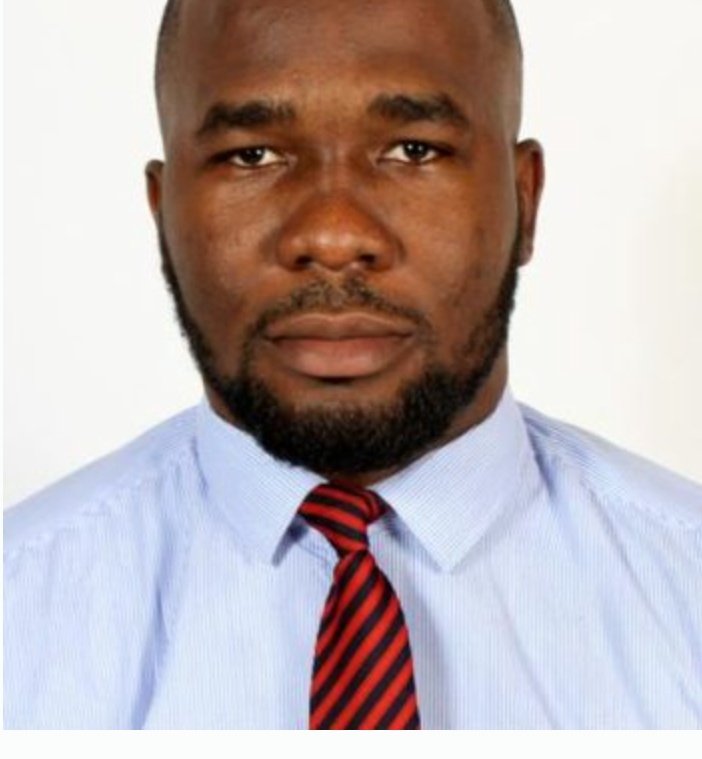
Ikenna E. Egbujor
Ikenna E. Egbujor is a Chartered Accountant and Finance professional with over 10 years of experience in financial reporting, analysis, and consolidation. He holds an MBA in Finance, Accounting, and Business Management from University Canada West, and an MSc in Finance from the University of Lagos. Ikenna has managed complex financial processes for multinational corporations across Africa and North America, excelling in financial leadership roles at Kal Tire (Canada), Reckitt Nigeria Limited, and Unique Get Together Society. He provides advisory oversight to CERELI's Finance and Accounting Team.
Our Strategic Theory of Change
How CERELI converts grassroots energy and education interventions into measurable, permanent global decarbonization.
Field Needs Mapping
Conducting baseline energy poverty surveys, dialect mappings, and community elder consultations in off-grid rural settlements.
Hardware Deployment
Installing household solar kits, ag-waste bio-digesters, and clean cookstoves while training local community technicians.
Indigenous Education
Conducting rural workshops, school STEM solar clubs, and broadcasting translated climate guides in native local tongues.
Institutional Scale
Publishing audit-grade ESG impact data, convening corporate WCSC roundtables, and scaling interventions globally.
Ready to Mobilize for Grassroots Net Zero?
Whether you are a corporate ESG sponsor, philanthropic foundation, researcher, or grassroots volunteer, your contribution directly energizes homes and educates communities.